

 See My Latest Article on HelloNation
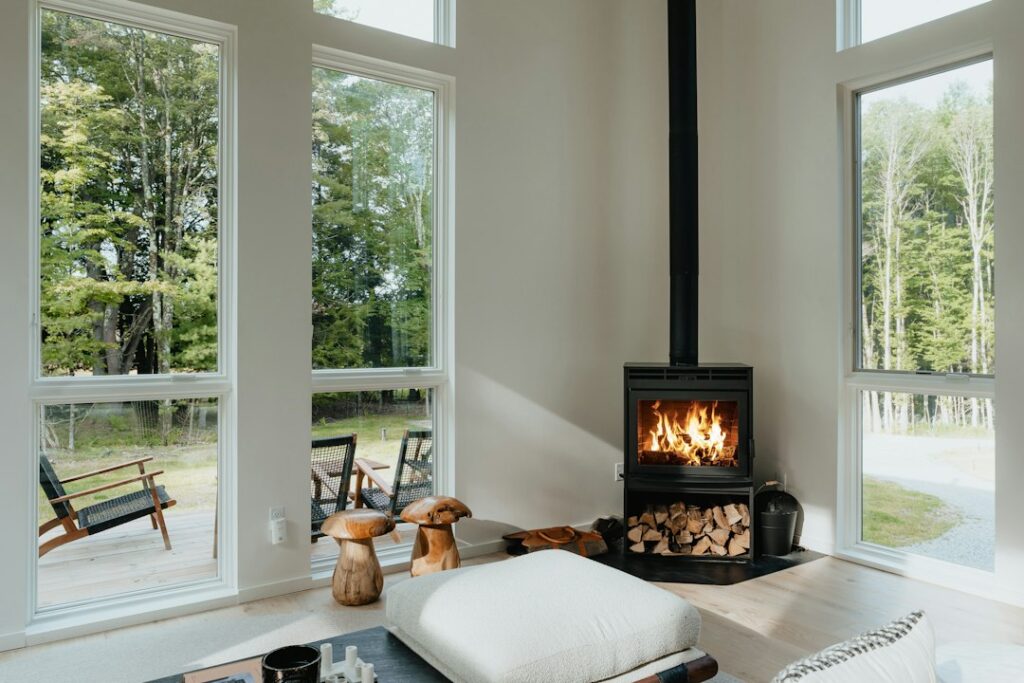
Wood heating can provide dependable warmth, a backup heat source during power outages, and a familiar gathering place during cold weather. It also introduces added fire, smoke, maintenance, and insurance considerations that should be understood before installing or regularly using a wood stove or fireplace.
Is wood heating practical in Fort Mill, SC?
For many households, wood heat can be practical as a supplemental source rather than the only heating system. The area generally has moderate winters, but cold snaps, ice, and occasional power interruptions can still make an independent heat source useful.
A wood stove or fireplace may be especially appealing in homes with:
- Adequate space for firewood storage
- A properly designed chimney or venting system
- A floor plan that allows heat to circulate
- Residents who can manage regular loading, ash removal, and maintenance
- A safe location with appropriate clearance from walls, furniture, flooring, and other combustible materials
Wood heat may be less convenient in tightly packed neighborhoods, homes with limited storage, or households where no one can regularly monitor the appliance. A traditional open fireplace often provides comfort and atmosphere but may deliver less usable heat than a modern, enclosed wood stove or certified insert.
What are the main benefits of heating with wood?
The most noticeable benefit is supplemental warmth. A properly installed appliance can reduce reliance on a central system during mild winter weather or warm the main living area when other equipment is unavailable.
Other potential benefits include:
Backup heating during outages
Wood-burning appliances can continue operating during many electrical outages, depending on the appliance design. This can help maintain a livable temperature and reduce the risk of frozen plumbing during an extended winter interruption.
However, a wood stove does not automatically protect every room. Heat may not reach distant bedrooms, finished basements, or upper floors evenly. Portable carbon monoxide alarms and a separate plan for vulnerable household members remain necessary.
Fuel flexibility
Some homeowners appreciate having access to a locally available heating fuel rather than relying entirely on electricity or another delivered energy source. The value of this flexibility depends on the cost and availability of firewood, storage conditions, and the amount of labor required.
Wood is not automatically inexpensive. Cutting, splitting, hauling, stacking, drying, and protecting it from moisture all involve time or expense.
Comfort and resilience
A controlled wood fire can offer steady radiant heat and a sense of comfort that central systems do not provide. It may also give a household another option during storms or equipment failures.
The appliance should still be treated as a heating system, not simply as a decorative feature. Safe operation depends on correct installation, proper fuel, and routine inspection.
What are the drawbacks of wood heating?
The main disadvantages are maintenance, uneven heat distribution, indoor air concerns, and fire risk.
It requires regular work
Wood heat is not a set-it-and-forget-it system. Firewood must be kept dry, moved into the home, and handled safely. Ashes require careful removal and disposal. Chimneys and flues need inspection and cleaning because deposits can restrict airflow and contribute to chimney fires.
A fireplace or stove that appears clean from the room may still have hidden problems in the chimney, connector pipe, masonry, roof penetration, or surrounding framing.
Heat may be uneven
Wood appliances usually create concentrated heat near the installation area. Rooms farther away may remain cool, particularly in homes with closed doors, multiple levels, or limited air circulation.
Overheating the room near the appliance can also create discomfort while the rest of the home remains underheated. The appliance should be sized for the space it is intended to heat rather than selected solely for appearance or maximum output.
Smoke can affect indoor air
Smoke should not enter the home during normal operation. Backdrafting, poor chimney performance, damaged doors or gaskets, blocked flues, and negative air pressure can draw combustion products indoors.
Wood smoke contains fine particles and other pollutants. People with asthma, allergies, heart disease, or other respiratory sensitivities may be more affected. Burning dry, seasoned wood in an efficient, properly vented appliance reduces smoke but does not eliminate the need for ventilation and maintenance.
Only suitable firewood should be burned. Household trash, plastic, treated lumber, painted wood, and other manufactured materials can release harmful chemicals and damage the appliance or chimney.
How does wood heating affect homeowners insurance?
A wood stove, fireplace insert, or other solid-fuel appliance should be disclosed to the insurer before installation or as soon as one is added to the home. Insurance companies may ask for details such as the appliance type, installation date, location, chimney design, permits, inspection records, and whether the appliance is the primary or supplemental heat source.
Insurance treatment can vary. Some policies may require specific safety features, professional installation, documentation, or regular chimney maintenance. An undisclosed or improperly installed appliance could create questions during underwriting or a claim investigation.
Homeowners should review:

- Whether the policy permits the specific type of wood-burning appliance
- Whether coverage limits or deductibles change
- Whether detached structures, such as a separate storage building, are covered
- Whether the insurer requires proof of inspection or cleaning
- Whether liability coverage applies if sparks, smoke, or fire damages a neighboring property
A permit or inspection does not guarantee insurance coverage, and insurance approval does not replace compliance with building and fire requirements.
What local rules should be checked before installation?
Fort Mill enforces South Carolina building and fire codes, including requirements that may apply to fireplaces, chimneys, clearances, hearth protection, venting, and structural work. Requirements can differ depending on whether the appliance is new construction, a replacement, or a retrofit in an existing home.
Before work begins, property owners should verify permit and inspection requirements with the applicable local building authority. Manufacturer instructions matter as well; listed appliances must generally be installed according to their approved instructions and required clearances.
This is particularly important in newer subdivisions, attached housing, and neighborhoods with covenants or architectural rules. A community restriction may address exterior chimney additions, firewood storage, or visible equipment even when the installation meets public building requirements.
How can households reduce the risks?
Safe operation starts with the appliance and chimney, but daily habits matter just as much.
- Burn only dry, seasoned firewood.
- Keep a sturdy screen or closed door in place to contain sparks and embers.
- Maintain safe clearance from furniture, curtains, rugs, decorations, and stored materials.
- Use properly installed smoke alarms and carbon monoxide alarms on each level and near sleeping areas.
- Dispose of ashes in a covered metal container placed outdoors away from the home and other combustible materials.
- Do not leave an open fire unattended.
- Avoid allowing a fire to smolder for long periods.
- Keep firewood outside the home and protected from rain while allowing appropriate airflow.
- Have the chimney, flue, appliance, and venting system inspected and cleaned at suitable intervals.
- Keep documentation for installation, permits, inspections, and maintenance.
A wood stove or fireplace can be a useful supplemental heat source, but it is not risk-free. For households in Fort Mill, the decision should account for the home’s layout, winter habits, firewood storage, indoor air needs, local code requirements, and the conditions of the homeowners insurance policy.