

 See My Latest Article on HelloNation
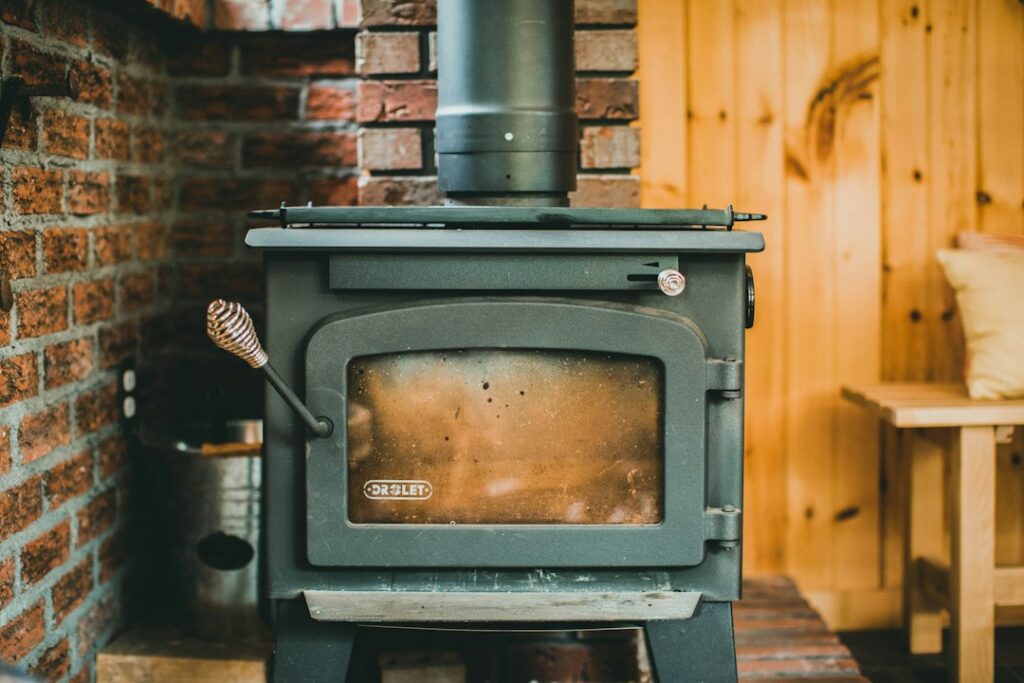
A freestanding wood stove can provide supplemental heat during chilly winter weather, but installation involves much more than placing the appliance on a hearth and connecting a pipe. The stove, floor protection, chimney, clearances, ventilation, permits, and insurance documentation all need to work together.
In Fort Mill, SC, local homes vary from newer construction to older houses with additions, remodeled fireplaces, and rooflines that can complicate chimney placement. A careful installation begins with planning and code review before any wall or ceiling is opened.
What should be checked before buying a wood stove?
Before selecting a stove, confirm that the appliance is listed for residential use, carries the required safety labeling, and is certified under current emissions standards when applicable. The manufacturer’s installation manual is the controlling document for clearances, chimney connections, floor protection, and acceptable venting arrangements.
Measure the room and consider the home’s insulation, ceiling height, layout, and existing heating system. An oversized stove may create excessive heat, encourage smoldering fires, and increase creosote production. An undersized stove may be operated too aggressively, reducing efficiency and increasing wear.
Also inspect the proposed location for:
- Nearby walls, windows, doors, trim, furniture, and built-in cabinetry
- Floor framing and the weight of the stove and hearth
- A practical route for the stovepipe and chimney
- Access for loading wood, removing ashes, and cleaning
- Adequate room air and safe circulation around the appliance
A stove should not be installed in a cramped corner simply because that is where furniture can be rearranged. Safe clearances and chimney design should determine the location.
Is a permit required in Fort Mill?
A permit may be required for installing a solid-fuel heating appliance, modifying a chimney, cutting through a ceiling or roof, or altering structural or mechanical components. Requirements can depend on the exact work and the property’s jurisdiction.
Before construction begins, check the current requirements with the local building department. South Carolina uses statewide residential and fire codes with local administrative procedures. The permit process may require equipment information, a floor plan, chimney details, and an inspection before the stove is used.
Skipping a required permit can create problems later, especially during a home sale, inspection, claim investigation, or policy review. Keep copies of the permit, approved plans, inspection results, appliance manual, and installation records with the home’s maintenance documents.
How should the floor and hearth be prepared?
The stove must sit on a noncombustible floor protector that meets the appliance listing and installation manual. Common materials include approved tile assemblies, masonry, listed hearth panels, or other tested noncombustible systems.
The protector generally needs to extend beyond the stove on all exposed sides, with particular attention to the loading door. The exact dimensions depend on the stove’s listing and the applicable code. A decorative tile surface alone may not provide adequate heat protection if combustible flooring remains underneath.
The floor also needs to support the combined weight of the stove, chimney components, and hearth. In some homes, especially those with raised floors or long floor spans, additional framing may be necessary. A hearth should not be assumed to be structurally adequate because it looks solid from above.
What clearances are needed around the stove?
Clearances protect combustible materials from heat that can build up over time. Follow the stove’s permanent safety label and installation manual rather than relying on a general distance remembered from another appliance.
Combustible materials include more than unfinished wood. They can include drywall over wood framing, wood trim, paneling, cabinets, curtains, furniture, flooring, and structural framing concealed behind a wall.
A wall shield may reduce certain clearances only when it is designed and installed according to applicable requirements. A sheet of metal fastened directly to a wall is not automatically an acceptable heat shield. Proper air space, mounting, materials, and dimensions are essential.
Maintain clear access around the stove for operation, loading, ash removal, inspection, and emergency response. Do not store firewood, kindling, paper, baskets, cleaning products, or other combustibles beside the appliance.
How is the chimney and stovepipe installed?
The stovepipe connects the appliance to a listed chimney system. It is not a substitute for chimney pipe designed to pass through ceilings, walls, attics, or roofs.
A typical installation requires:
- Connector pipe sized to match the stove outlet
- Listed insulated chimney components where the pipe passes through the home
- Proper support at ceilings, floors, walls, and the roof
- Approved flashing and weather sealing at the roof
- A cap that helps keep out rain, animals, and debris
- A chimney height and termination that support reliable draft

The chimney should usually follow a simple, mostly vertical route. Long horizontal runs, excessive elbows, or an improperly sized flue can weaken draft and cause smoke, poor combustion, or increased creosote.
An existing masonry chimney should be inspected before connection. It may require a properly sized liner, repairs, or other modifications. A wood stove should not simply be connected to an old fireplace flue without confirming that the chimney is suitable for the new appliance.
Does the room need outside combustion air?
Some homes need additional combustion air, particularly those that are tightly sealed or contain exhaust fans, range hoods, clothes dryers, or other equipment that depressurizes the house. Negative pressure can interfere with draft and pull smoke or combustion gases into the living space.
The stove manual and local code determine whether an outside-air kit is required or recommended. Do not improvise an opening or duct arrangement. The air supply must be protected from blockage, weather, animals, and water intrusion.
Carbon monoxide alarms should be installed in appropriate locations near sleeping areas and according to their instructions. Smoke alarms should also be present and maintained throughout the home.
What should happen before the first fire?
After installation, inspect every connection, support, clearance, wall pass-through, and roof penetration. Confirm that stovepipe joints are assembled in the correct direction and secured as required. Make sure doors, gaskets, latches, and controls operate properly.
The first fires should be small and closely monitored. New paint, sealants, and protective coatings may produce temporary odors or light smoke as they cure. Ventilate the room, but shut down the stove if smoke enters the home, the chimney behaves unusually, or any surface becomes excessively hot.
A final inspection may be required before use. Even when it is not required, an inspection by a qualified wood-stove or chimney specialist is sensible when the installation involves structural changes, an older chimney, a complex roof route, or uncertain clearances.
How does installation affect homeowners insurance?
A wood stove can affect underwriting, policy conditions, inspection requirements, or premiums. Notify the insurance carrier before installation and provide requested information, such as the make and model, safety listing, installation location, chimney type, permit, and inspection documentation.
Insurance concerns generally focus on fire risk, unapproved alterations, improper venting, missing clearances, and poor maintenance. An insurer may ask whether the appliance was professionally installed or inspected, particularly when the home has an older chimney or a nonstandard layout.
Do not assume that a policy automatically covers a newly installed stove simply because the dwelling itself is insured. Written documentation is useful if there is ever a question about compliance or a fire-related claim.
What maintenance is needed after installation?
Burn only dry, seasoned firewood. Wet or green wood produces more smoke and can accelerate creosote buildup. Never burn painted, treated, glued, or construction wood.
Inspect the stove, connector pipe, and chimney regularly during the heating season. Have the chimney cleaned when deposits accumulate and at least as often as the appliance’s use and inspection results require. Annual inspection is especially prudent before seasonal use.
Remove ashes with a metal container that has a tight-fitting lid. Store the container outdoors on a noncombustible surface away from the house, deck, leaves, and other combustibles. Ashes can retain heat for much longer than they appear to.
For area households, winter dampness, occasional cold snaps, and homes with mixed-age construction make careful draft control and moisture protection particularly useful. A safe installation is one that remains compliant and accessible not only on the day it is completed, but throughout years of heating, cleaning, inspection, and home ownership.