

 See My Latest Article on HelloNation
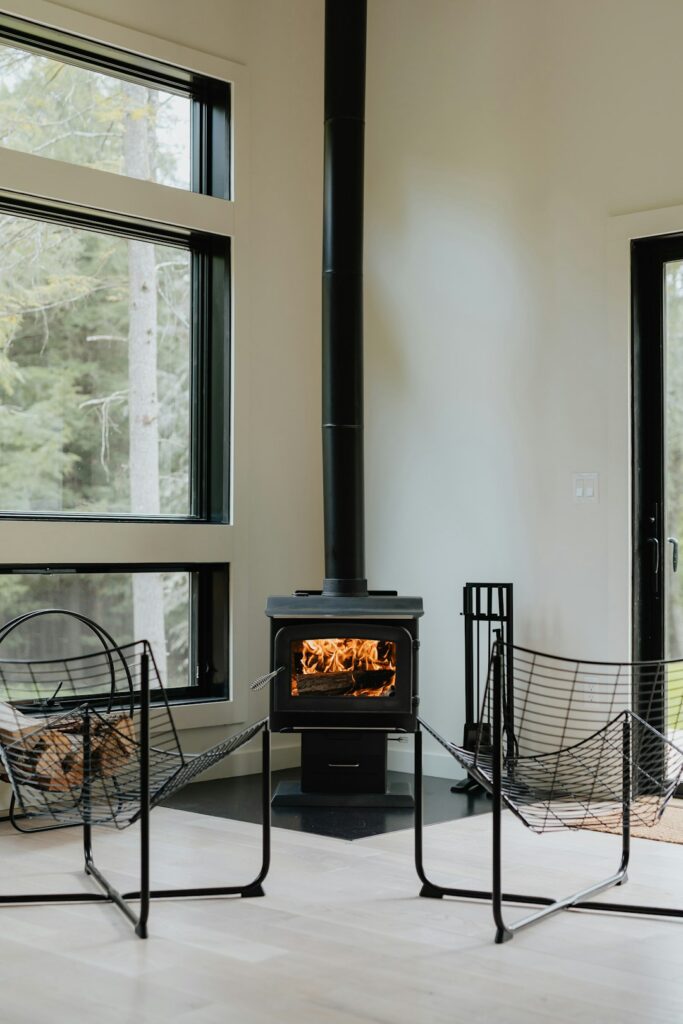
A wood stove can provide supplemental heat, reduce reliance on a central heating system, and create a comfortable gathering space during cold weather. It also introduces fire, smoke, chimney, and liability considerations that should be evaluated before purchase.
For households in Fort Mill, the decision involves more than selecting a stove that fits the room. Installation rules, home design, fuel storage, maintenance, and homeowners insurance can all affect whether the appliance is practical and acceptable for the property.
Is a wood stove suitable for the home?
A wood stove is generally best viewed as a supplemental heat source rather than the only heating system. Many insurance companies expect the home to have a permanent primary heating system, particularly if the stove will not be used continuously or if residents may be away during cold weather.
Consider:
- The size of the room and the area the stove is expected to heat
- Whether the home has an open floor plan or multiple separated rooms
- The location of existing heating vents
- Whether the home can stay warm if the stove is not operating
- The amount of time available for loading wood, removing ash, and monitoring the fire
A stove that is too large may overheat the room, encourage residents to operate it improperly, or require the fire to be damped down in a way that increases smoke and creosote. A stove that is too small may be run at excessive temperatures and still fail to heat the intended space.
A heating professional or qualified installer may need to evaluate the home’s layout and heat-loss characteristics before a model is selected. This is a safety and sizing issue, not simply a comfort preference.
What should be checked before installation?
The proposed location matters as much as the stove itself. The appliance needs adequate clearance from walls, furniture, curtains, flooring, ceiling materials, and other combustibles. The manufacturer’s installation instructions usually establish minimum clearances, and those requirements may be greater than a homeowner expects.
The floor beneath the stove must also have suitable protection. A decorative hearth is not automatically a compliant hearth. It may need to extend specific distances beyond the stove and be made from approved noncombustible materials.
The chimney and connector pipe deserve particular attention. A wood stove should use a properly designed venting system intended for solid fuel. Reusing an old chimney without confirming its condition, lining, height, and compatibility can create serious risks.
Potential concerns include:
- Cracks or gaps in masonry
- An improperly sized flue
- Missing or damaged liners
- Inadequate clearance from framing
- A chimney that does not extend high enough above the roof
- Unapproved connections to an existing fireplace or flue
A permit or inspection may be required. Fort Mill currently enforces the 2021 South Carolina Residential Code and 2021 South Carolina Fire Code, along with related building and mechanical requirements. Requirements can depend on the structure and the type of work, so the permitting question should be resolved before installation begins.
How does a wood stove affect homeowners insurance?
A wood stove does not automatically make a home uninsurable, but it is a material change to the property’s fire risk. The insurance company should be informed before the appliance is installed or purchased.
Insurers may ask for information such as:
- The make, model, and installation date
- Whether the stove is listed and labeled for its intended use
- Who installed the stove and chimney
- Whether permits and inspections were completed
- The distance between the stove and nearby combustibles
- The type and condition of the chimney
- Whether the stove is a primary or supplemental heat source
- How often the chimney is inspected and cleaned
Some policies may require an inspection, photographs, installation records, or proof of chimney maintenance. Other policies may apply a surcharge, impose conditions, limit certain installations, or decline coverage for an unsafe or undocumented setup.
A common misconception is that a stove is covered simply because the house already has homeowners insurance. Coverage depends on the policy terms and the condition of the installation. An undisclosed stove, an unpermitted installation, or a chimney that has not been maintained could create complications during claim handling.
The safest approach is to obtain the insurer’s requirements in writing before work starts and keep all permits, inspection reports, receipts, manuals, and maintenance records with the home’s important documents.
Is a used or previously installed stove a good choice?
A used stove may appear less expensive, but age and condition are difficult to judge from appearance alone. Older appliances may lack current safety labeling, have damaged firebrick or warped components, or be inefficient compared with newer models.
Before accepting a used stove, verify:
- The model and manufacturing information
- Whether replacement parts are still available
- The condition of the door gasket, firebox, baffles, and firebricks
- Whether the stove has been modified
- Whether the chimney system is compatible
- Whether the installation can meet current clearance requirements

A stove that was safe in a previous home may not be safe in a different structure. The chimney route, wall construction, floor materials, and roof configuration all affect the installation.
A previously installed stove should not be treated as “grandfathered” without confirmation. Building requirements and insurance underwriting rules may still apply when the appliance is relocated, reconnected, or added to a new property.
What kind of wood should be burned?
Dry, seasoned firewood is essential for safer and more efficient operation. Freshly cut or damp wood produces more smoke and can contribute to creosote buildup inside the chimney.
Wood should be:
- Properly seasoned and dry
- Stored off the ground
- Protected from rain while allowing air circulation
- Kept a safe distance from the stove and chimney
- Free of paint, coatings, plastic, and treated-wood chemicals
Households should also plan where several weeks or months of firewood will be stored. In a neighborhood setting, wood stacked against the home can increase exposure to insects, moisture, and fire. It may also obstruct access around doors, windows, utility equipment, or exterior walls.
Burning household trash, cardboard with heavy coatings, construction scraps, or treated lumber is unsafe and can damage the stove or chimney.
What maintenance is required?
Regular maintenance is part of owning a wood stove, not an optional extra. Ash should be removed carefully and placed in a covered, noncombustible container located away from the house and other combustible materials. Ash can remain hot for a surprising amount of time.
The chimney should be inspected and cleaned as needed, based on how often the stove is used, the type of wood burned, and the amount of buildup. Annual inspection is a sensible baseline for many households, especially before the heating season, but heavier use may require more frequent attention.
Smoke and carbon monoxide alarms should be installed in appropriate locations, including near sleeping areas. A fire extinguisher suitable for residential use should be accessible, but it should not replace proper installation or maintenance.
What questions should be answered before buying?
Before committing to a wood stove, confirm:
- Is the stove properly sized for the intended space?
- Is there a suitable location with required clearances?
- Can the chimney be installed safely and legally?
- Will a permit and inspection be required?
- Does the homeowners insurance policy allow the installation?
- What records will the insurer require?
- Where will dry firewood be stored?
- Who will inspect and clean the chimney?
- Can the home remain adequately heated when the stove is not in use?
A wood stove can be a practical source of supplemental heat, but its value depends on safe design, compliant installation, responsible operation, and consistent maintenance. Making those decisions before purchasing the appliance can prevent avoidable safety problems, unexpected installation costs, and insurance complications later.